
Peggy’s Cove Like a Local: What Most Visitors Miss (and What Actually Matters)

If you treat Peggy’s Cove like a quick photo stop, you’ll leave thinking it’s overrated. That’s the honest truth. Most people roll in, take the lighthouse shot, slip on a rock they shouldn’t be standing on, and drive away. They miss the rhythm of the place entirely.
I’ve spent enough time here to know that Peggy’s Cove only makes sense when you slow down. The details matter: wind direction, tide timing, where you stand, and when you show up. Ignore those, and it’s just another crowded landmark. Pay attention, and it becomes something else entirely.
Timing Is Everything (And Most People Get It Wrong)
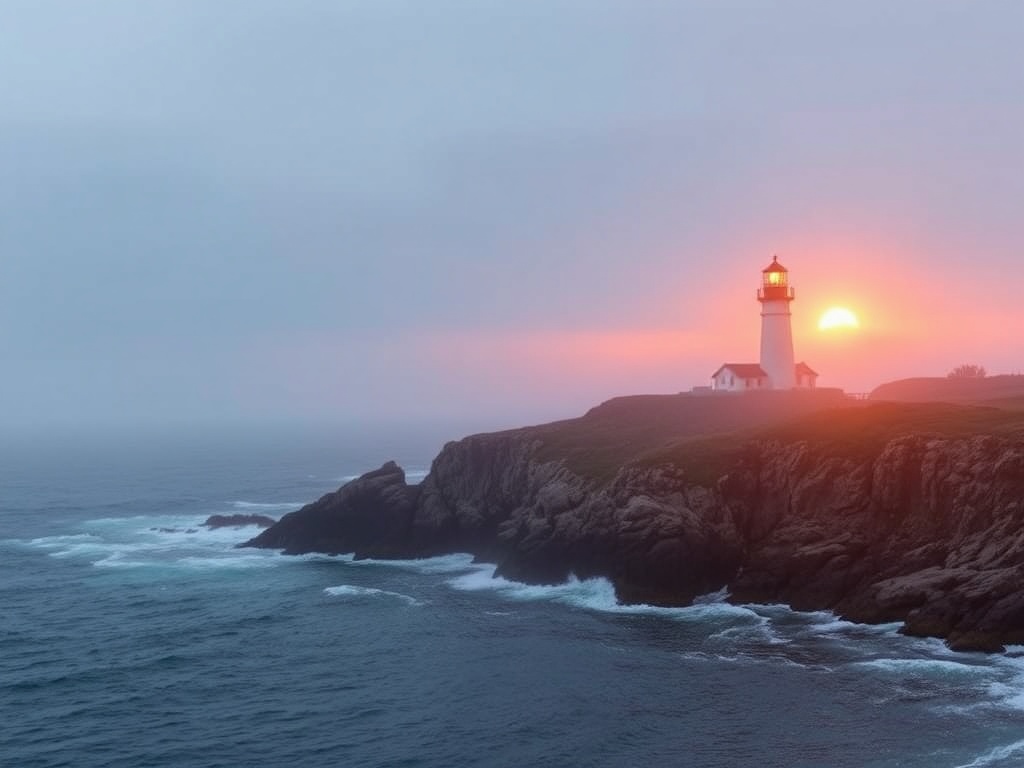
The worst time to visit Peggy’s Cove is exactly when most people show up: late morning through mid-afternoon. Tour buses, packed parking, and a constant stream of people chasing the same photo angle.
If you want the place to feel real, you have two options:
- Sunrise: Quiet, moody, often foggy. The granite looks softer, the ocean feels closer.
- Late evening: After dinner hours, when the buses are gone and the light stretches low across the rocks.
Midday flattens everything—the light, the atmosphere, even your memory of it.
The Rocks Are Not a Playground
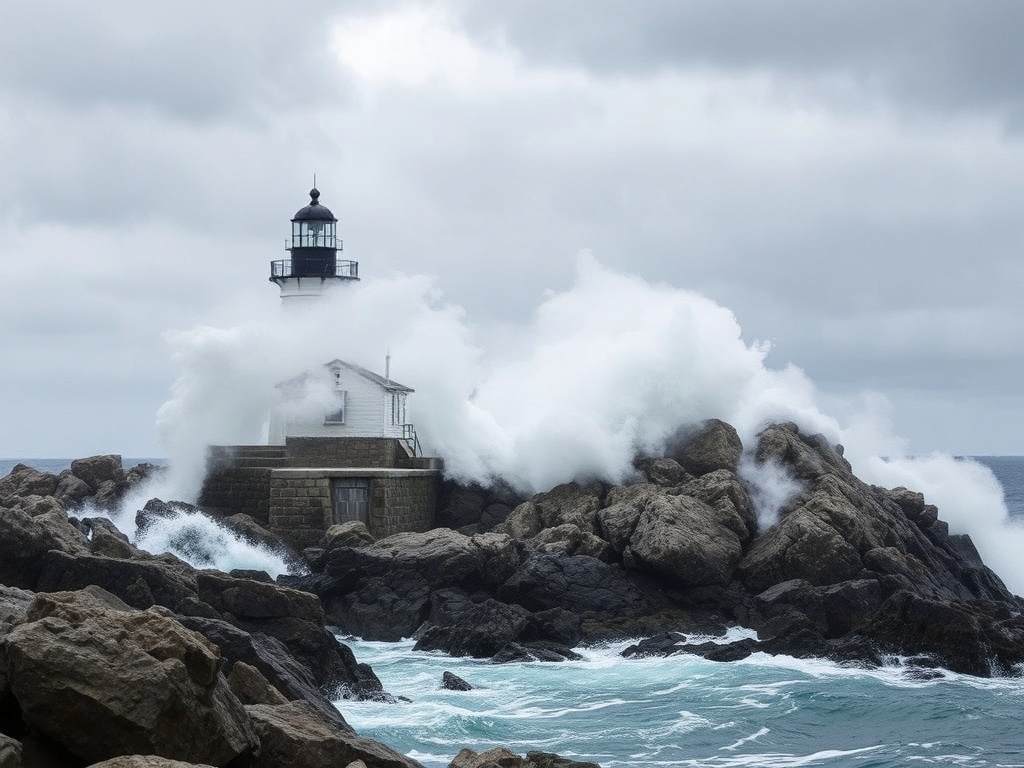
Let’s be blunt: people underestimate this place every single day. The black rocks are not just darker—they’re wet, unpredictable, and dangerous. Locals don’t need signs to know where not to stand.
If the rock is black, it’s been hit by waves. If it’s been hit by waves, it can be hit again—harder, faster, without warning.
Stay on dry, pale granite. Watch the ocean for a few minutes before moving closer. If you see waves surging higher than expected, that’s your cue to step back, not forward.
Where to Stand for the Best Views
Everyone crowds the same front-facing angle of the lighthouse. It’s fine, but it’s not the best view.
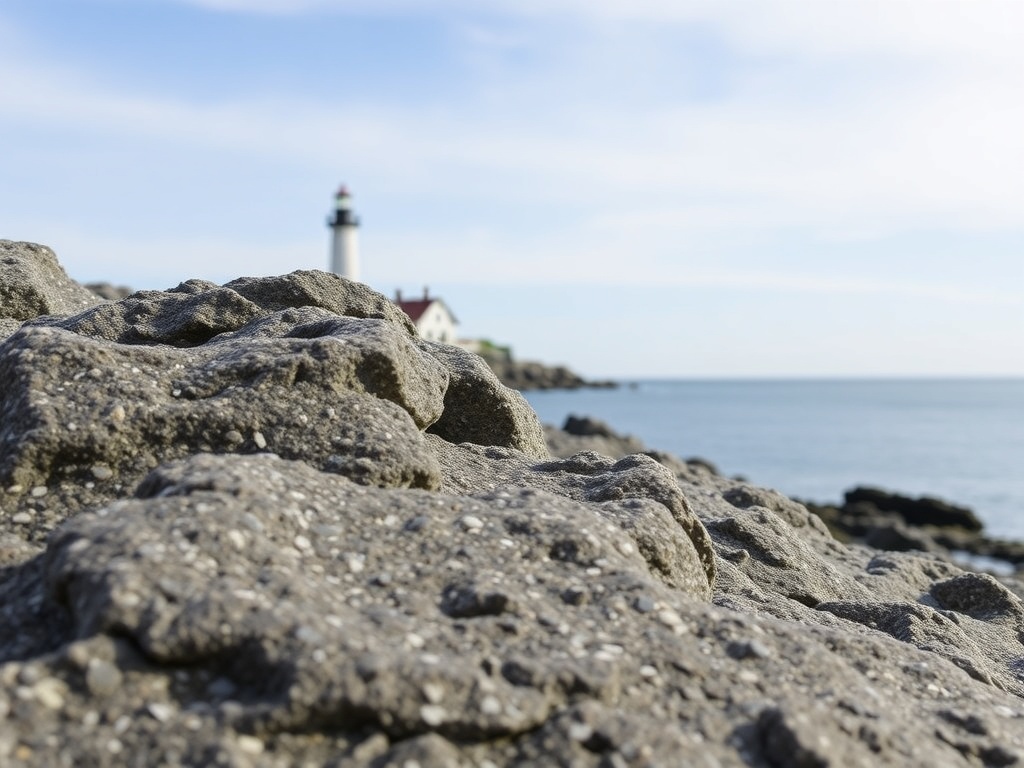
Walk further out along the rocks, keeping a safe distance from the water. Look back toward the lighthouse from a slight elevation. You’ll get depth, texture, and space in your frame—something the standard shot lacks.
Another overlooked angle is from behind the village side, where the lighthouse sits against open water rather than crowds. It’s quieter and feels more like the place actually is.

Don’t Skip the Village
The lighthouse gets all the attention, but the village is where the character lives. Weathered houses, lobster traps stacked like sculpture, boats that look like they’ve earned their place—this is the part most visitors rush past.
Walk slowly. Look at the details. Notice how everything is built to handle wind, salt, and time. That’s Peggy’s Cove as much as the lighthouse is.

What to Eat (And What to Skip)
You’ll find a few spots for food nearby, but expectations matter. This isn’t a food destination—it’s a place where simple things done well stand out.
Order seafood if it’s available that day. Chowder is the safe bet—warm, filling, and usually better than you expect when you’ve been out in the wind.
Skip anything overly ambitious or clearly designed for tourists. Peggy’s Cove rewards straightforward choices.
Fog Isn’t Bad Weather—It’s the Point
People cancel plans when they see fog in the forecast. That’s a mistake.
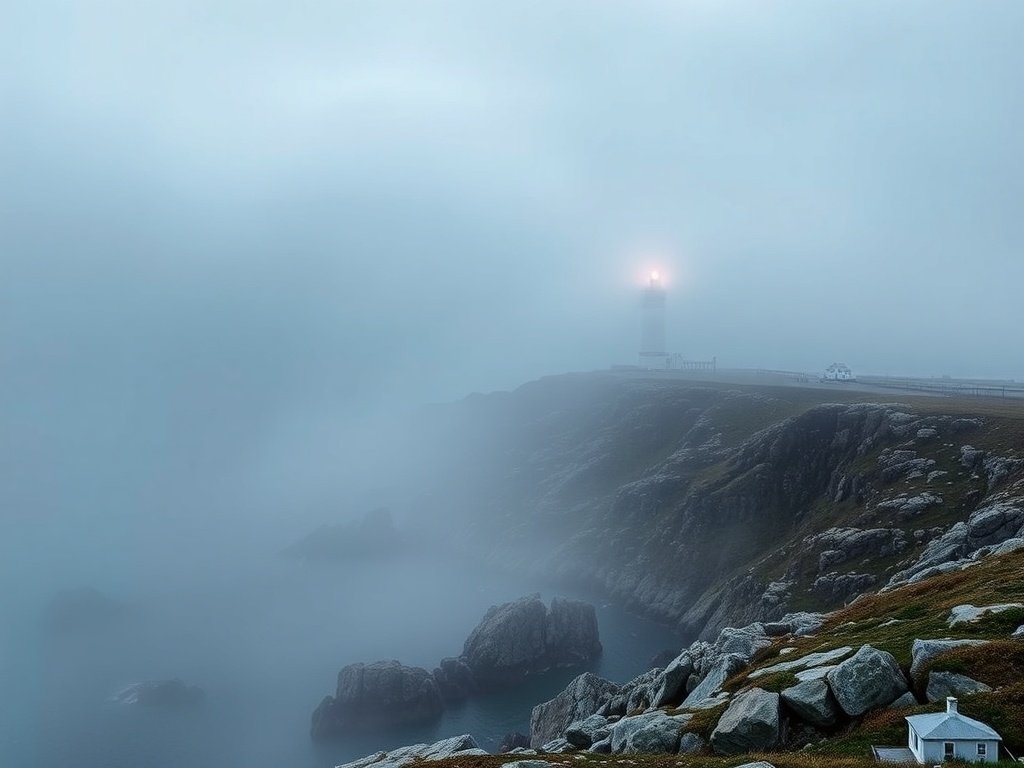
Fog transforms Peggy’s Cove. It softens the edges, mutes the crowds, and makes the lighthouse feel isolated in a way clear skies never do. Sound carries differently. The ocean feels closer, even when you can’t fully see it.
If you get a foggy visit, lean into it. You’re seeing something most people don’t wait around for.
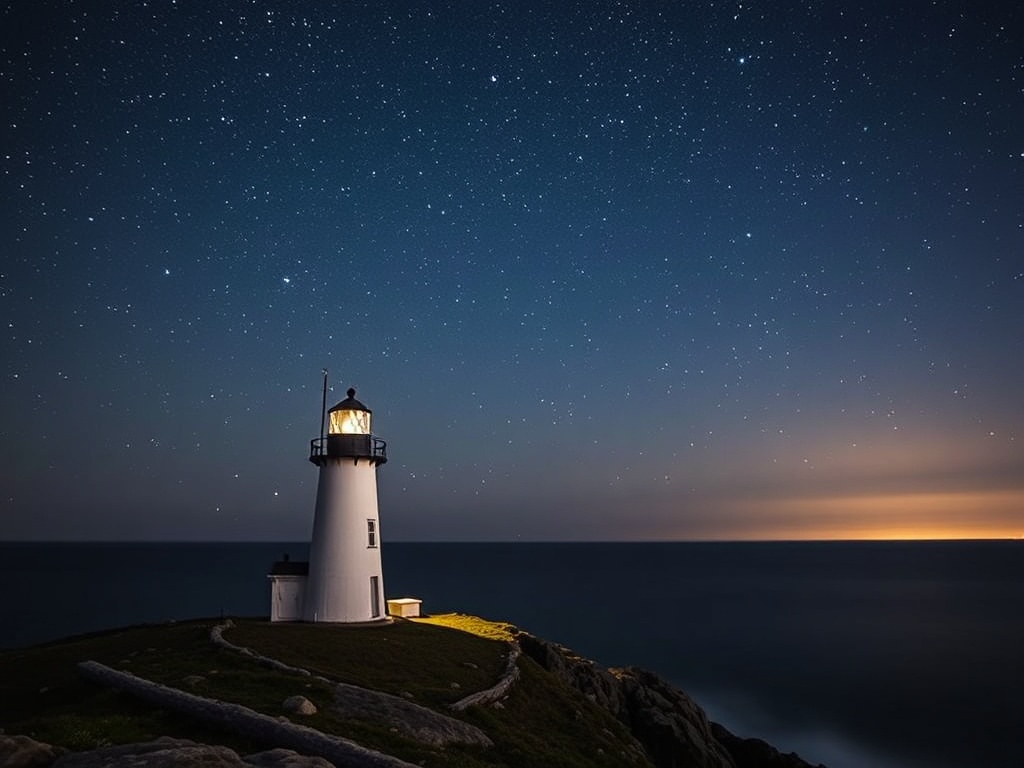
Stay After Dark (If You Can)
Almost nobody stays once the sun goes down. That’s your advantage.
On a clear night, the sky opens up in a way that’s rare near cities. The lighthouse silhouette against stars is worth the wait, especially if you’re even slightly interested in photography.
Bring a flashlight, dress for colder temperatures than you expect, and take your time. Night here is quiet in a way that feels earned.
How Long You Actually Need
Forget the 30–45 minute stop. That’s barely enough time to park, walk out, and leave.
A proper visit looks more like this:
- 20–30 minutes exploring the rocks (safely)
- 20 minutes walking through the village
- 30–60 minutes sitting, watching the ocean, or eating
Give it at least 90 minutes. Two hours is better. The difference in experience is not subtle.
The Honest Take
Peggy’s Cove isn’t complicated. It’s a working coastal place that happens to be photogenic. If you treat it like a checklist item, it will feel like one. If you give it time, pay attention to conditions, and move with a bit of awareness, it becomes something quieter and more memorable.
Most people don’t see that version. Now you know how to.