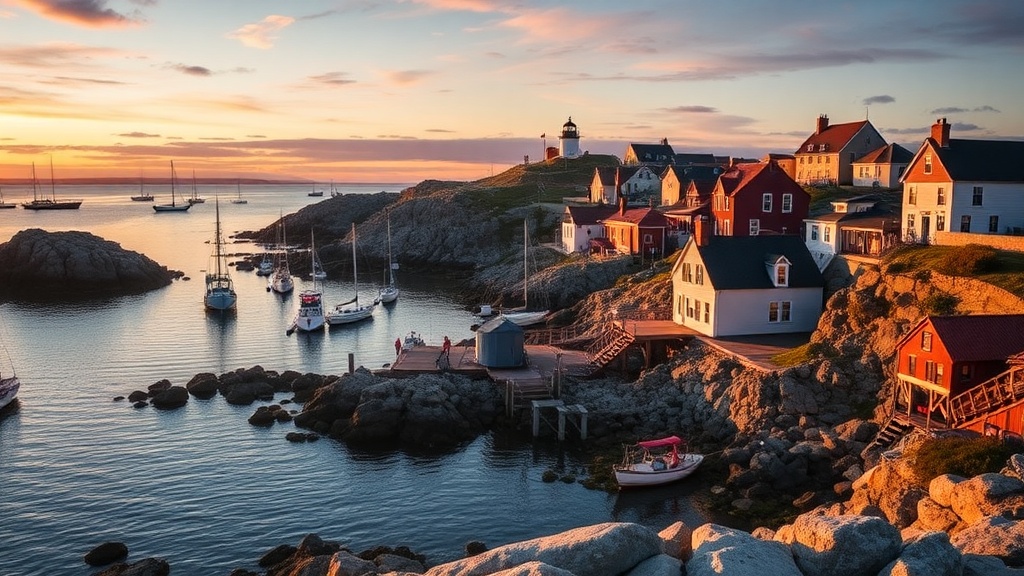
10 Essential Things to Do at Peggy's Cove and Beyond

Visit the Peggy's Cove Lighthouse at golden hour
Explore the quaint fishing village and harbour
Hike the scenic coastal trails near Polly's Cove
Savor fresh lobster rolls at local village eateries
Capture photos from the best granite rock viewpoints
Peggy's Cove draws over 600,000 visitors annually—and most miss the best parts. This guide covers ten experiences that take you beyond the lighthouse selfie crowds: where to eat fresh lobster without the tourist markup, hidden coastal trails, local artisans worth your time, and day trips that reveal the real Nova Scotia. Whether you're planning a weekend escape or mapping out a longer Maritime itinerary, here's what actually belongs on your list.
What's the Best Time to Visit Peggy's Cove?
September through October. The summer crowds thin out, the lobster season is in full swing, and the autumn light on the granite rocks is something else entirely.
That said, every season has its moments. Spring (May to June) brings wildflowers to the coastal barrens and fewer tour buses. Winter is harsh—storms roll in hard off the Atlantic—but photographers chase the dramatic seascapes, and you'll have the rocks to yourself. Summer delivers the classic experience: bustling village, full restaurant hours, and boat tours running daily. The catch? Parking can be a nightmare by 11 a.m., and the main viewing platform feels like a concert crowd.
Check Nova Scotia Tourism for seasonal event calendars and road condition updates—coastal fog is no joke, and some secondary routes close in winter.
Where to Find the Freshest Seafood Near Peggy's Cove
Skip the lobster rolls at the gift shop. The best seafood comes from shacks and kitchens where locals actually eat.
The Sou'Wester Restaurant sits right beside the lighthouse—yes, it's touristy, but the chowder is legitimately good and the views are unbeatable. For a less crowded option, drive ten minutes to Shaw's Landing in West Dover. The fish and chips here are hand-battered, the portions are generous, and the patio overlooks the working fishing wharf.
Here's how the main contenders stack up:
| Restaurant | Best For | Price Range | Local Tip |
|---|---|---|---|
| The Sou'Wester | Views, chowder | $18–$35 | Go before 11:30 a.m. or after 2 p.m. |
| Shaw's Landing | Fish and chips | $15–$28 | Ask for the house-made tartar |
| Williams Eatery | Seafood pasta | $20–$40 | Reservations recommended weekends |
| Dee Dee's Ice Cream | Post-dinner treat | $5–$8 | Grape nut is the local favourite |
Worth noting: the lobster at Shaw's Landing comes from boats you can see from your table. That connection matters—this is an industry that built the region, and supporting the working wharves keeps the community alive.
1. Walk the Granite Rocks (Properly)
The black and white rocks surrounding Peggy's Cove Lighthouse are among the oldest on Earth—380 million years old, formed deep underground during the Devonian period. The wave-worn formations are hypnotic, but respect the warning signs. Rogue waves have swept visitors into the Atlantic; the ocean here doesn't forgive inattention.
Stay on the dry white rocks. The dark, wet ones are slippery death traps, and every year someone learns that lesson the hard way. Bring sturdy shoes—sandals are a mistake you'll regret within minutes.
2. Explore the Village Beyond the Lighthouse
Most visitors snap their photo and leave. They're missing the actual Peggy's Cove—the fishing village that predates the lighthouse by a century.
Wander past the gift shops to the working wharf. You'll see lobster traps stacked high, boats being repaired, and fishermen prepping gear. The Peggy's Cove Area Chamber of Commerce maintains a small exhibit on fishing history near the decommissioned church—it's free, and it'll change how you see the village.
Stop at William E. deGarthe's granite carvings behind the church. The late Finnish-Canadian artist spent his final years etching local fishermen into stone. The work is raw, beautiful, and deeply connected to this place.
3. Hike the Polly's Cove Trail
Peggy's Cove itself has limited walking options. The solution? Drive five minutes east to the Polly's Cove trailhead.
This unmarked coastal path delivers everything the main site lacks: solitude, varied terrain, and views that rival (some say exceed) the famous lighthouse vantage. The trail is roughly 4 kilometres return—moderate fitness required, with some scrambling over rocks. Bring water; there's no shade and no facilities.
The wildflowers in June are spectacular. Blueberries ripen in August. And in any season, you'll likely have the trail to yourself.
4. Visit the Swissair Flight 111 Memorial
A sobering but important stop. In 1998, Swissair Flight 111 crashed into St. Margaret's Bay, killing all 229 people aboard. Two memorial sites commemorate the disaster—one at Bayswater Beach, one at Peggy's Cove itself.
The Peggy's Cove memorial is a simple granite stone engraved with the victims' names, positioned to face the crash site. It's quiet, respectful, and puts the tourism hustle into perspective. The Bayswater site includes a larger interpretation area explaining the recovery efforts and the massive environmental cleanup that followed.
5. Day Trip to Lunenburg
An hour's drive southwest brings you to one of the most beautiful small towns in Canada. Old Town Lunenburg is a UNESCO World Heritage Site—the best surviving example of a planned British colonial settlement in North America.
The painted Victorian buildings line narrow streets that slope down to the harbour. The Fisheries Museum of the Atlantic offers an excellent deep-dive into Maritime fishing history. Ironworks Distillery—housed in an 1893 marine blacksmith shop—produces small-batch vodka and rum worth the detour.
Lunenburg also built the Bluenose II, the iconic schooner featured on the Canadian dime. If you're lucky, you'll see her at her home wharf.
6. Drive the Lighthouse Route
Peggy's Cove is just one stop on Nova Scotia's Lighthouse Route—a 400-kilometre coastal drive from Halifax to Yarmouth. The stretch from Peggy's Cove to Mahone Bay and Chester makes an ideal half-day loop.
Mahone Bay is famous for its "three churches" view—three historic churches lined up along the waterfront, one of the most photographed scenes in the province. Chester is sailing country: million-dollar yachts, quiet coves, and the Chester Playhouse offering professional theatre in a converted 1939 cinema.
The road itself is the experience. Every turn reveals another cove, another fishing village, another reason Atlantic Canada stays in your memory long after you leave.
7. Meet Local Artists in Their Studios
The Peggy's Cove area has attracted artists for generations. The light here—shifting, moody, reflective—does something special.
Tom Mackay's studio near the village entrance features evocative seascapes painted on location. Peggy's Cove Gallery carries works by multiple local artists, including pottery and jewellery. Prices are fair, and buying direct supports creators who live here year-round—not importers.
Here's the thing: many artists keep irregular hours. Call ahead, or check the Nova Scotia Art Galleries directory for current open times.
8. Experience a Proper Nova Scotian Sunrise
The east-facing orientation means Peggy's Cove delivers spectacular sunrises. The granite glows pink and gold as the sun clears the horizon.
Arrive 30 minutes before dawn (check local sunrise times). Bring a thermos—the morning air is crisp even in summer. The village is silent, the lighthouse beam still turning, and the only other souls around are a few photographers and maybe a lone fisherman.
This is the Peggy's Cove that existed before tourism. It's worth the early alarm.
What Should You Pack for a Trip to Peggy's Cove?
Layers, sturdy shoes, and rain gear—no exceptions.
The weather turns quickly on the Atlantic coast. A sunny morning can become foggy and 12°C by afternoon. The wind is constant; umbrellas are useless (and dangerous near the rocks). Pack a proper waterproof jacket—Helly Hansen and Canada Goose are common sights here for good reason.
For footwear, forget fashion. The granite is uneven, often wet, and surprisingly sharp. Hiking shoes or boots with good grip are essential. Sandals and dress shoes belong in the car, not on the rocks.
Other must-haves:
- Sunscreen—the reflection off the granite intensifies UV exposure
- Water and snacks—options are limited and expensive
- Camera with a polarizing filter—cuts through haze and enhances the water
- Cash—some vendors and the pay parking prefer it
9. Take a Whale Watching Tour from Nearby harbours
Peggy's Cove itself doesn't offer whale watching—the harbour is too small. But Pleasant Paddling in nearby Indian Harbour runs kayak tours where you might spot minke whales, seals, and porpoises.
For guaranteed sightings, drive 45 minutes to Tiverton on Long Island or Westport on Brier Island. These western Nova Scotia communities sit on the Bay of Fundy, home to the highest tides in the world and some of the best whale watching in Eastern Canada. Fin whales, humpbacks, and the endangered North Atlantic right whale frequent these waters July through October.
Operators like Brier Island Whale and Seabird Cruises have decades of experience and naturalists on every trip. It's not cheap—expect $70–$90 per adult—but the experience of watching a 50-ton fin whale surface nearby redefines your understanding of scale.
10. Stay Overnight in a Coastal Cottage
Day-trippers miss the magic hours. Staying overnight means sunset walks, star-gazing (the Milky Way is visible on clear nights), and dawn light on the rocks.
The Peggy's Cove Bed & Breakfast offers comfortable rooms with lighthouse views. For more privacy, VRBO and Airbnb list cottages in West Dover, Seabright, and other nearby communities—many with private waterfront access.
One warning: cellular service is spotty. Wi-Fi at rentals can be slow. Embrace the disconnection—it's part of the charm.
The real Peggy's Cove isn't the lighthouse. It's the rhythm of the tides, the smell of salt and diesel on the wharf, the quiet conversations between fishermen who've known each other since childhood. Give yourself time to find that version of the village. You'll leave understanding why people never really leave this place—they just go away for a while.